

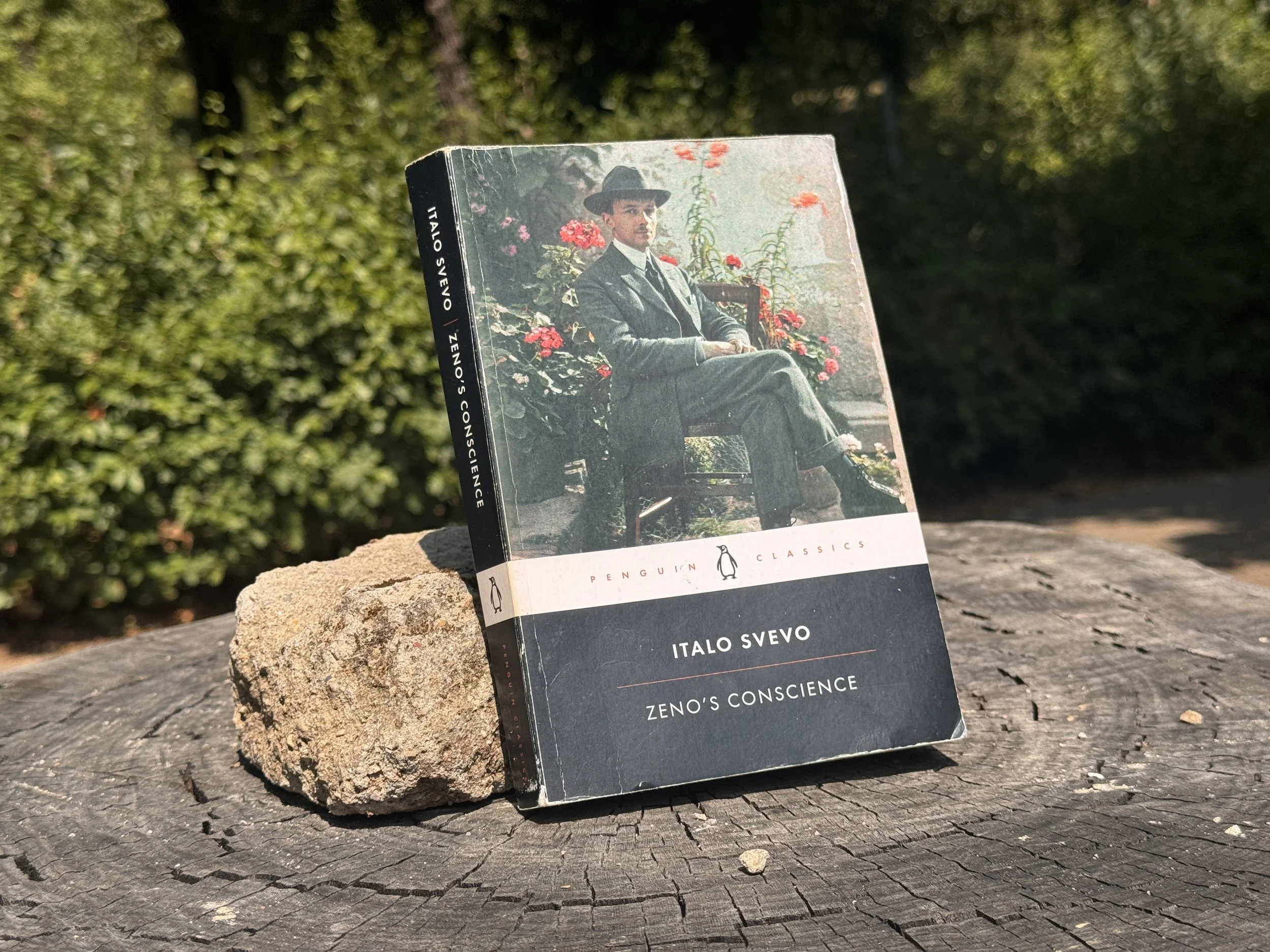
 Image 1 of 2
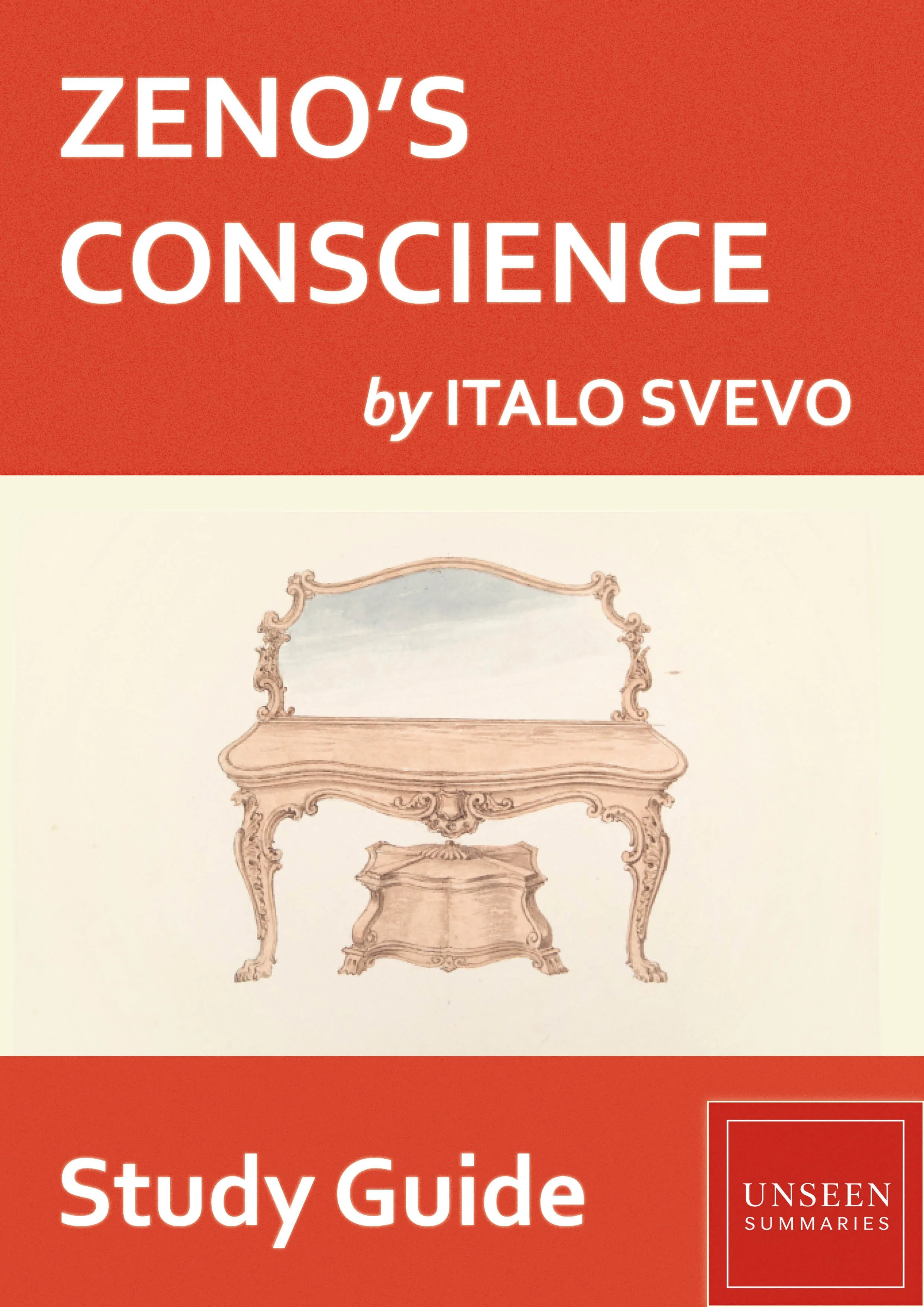 Image 2 of 2
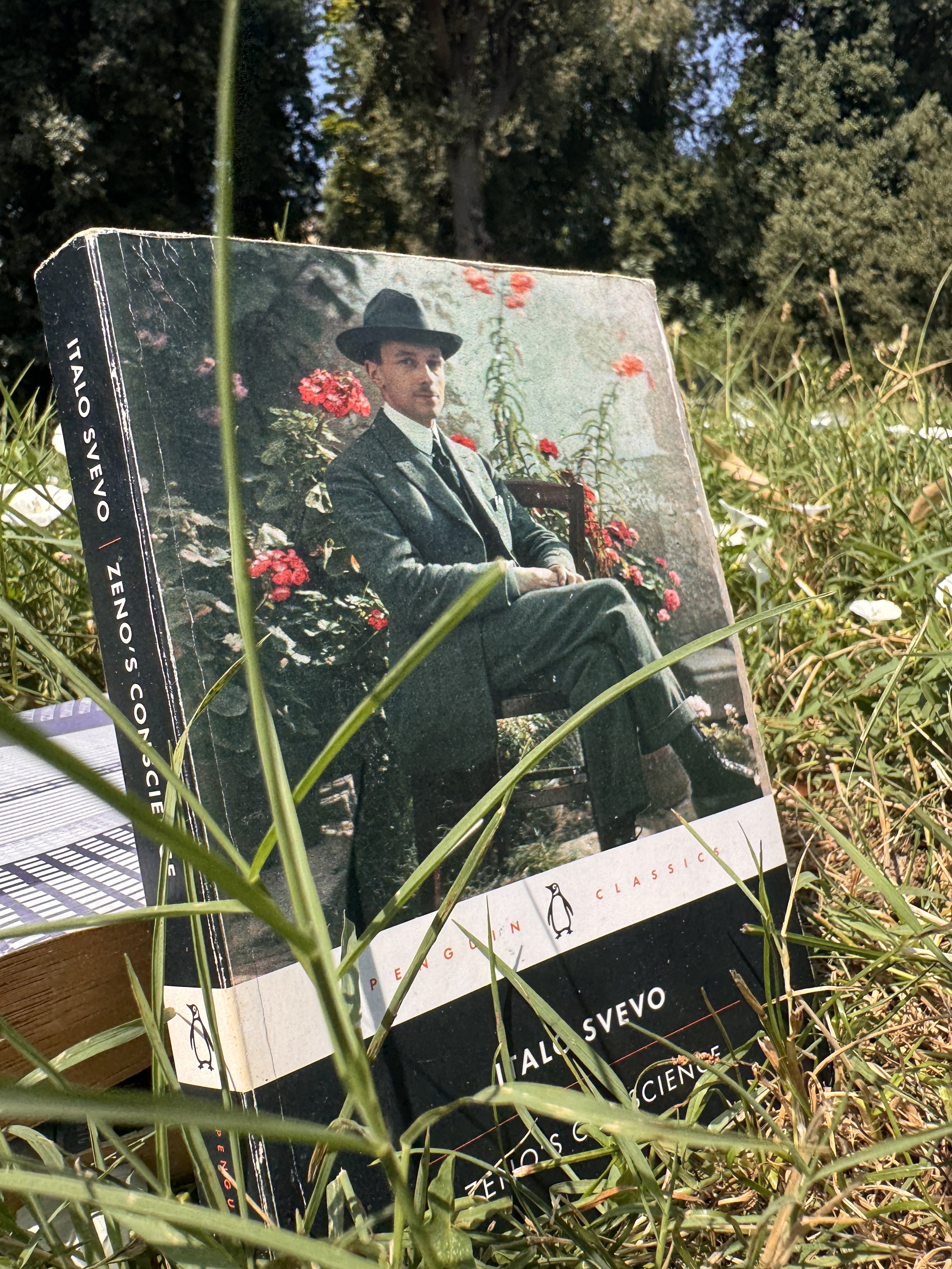
Why study Zeno’s Conscience?
Zeno's Conscience was among the first major novels to build its entire structure around psychoanalytic method, presenting a narrator whose account of his own life is continually undercut by what he leaves out or misrepresents. Svevo wrote the novel largely in isolation from literary fashion, and it initially received almost no attention in Italy.
Its rescue by James Joyce, who brought it to the attention of French critics, is itself a significant episode in the history of modernist literature. The novel's use of an unreliable narrator, structured entirely around therapeutic self-examination, gives students a clear and rewarding case study in narrative voice and psychological interiority.
Download the Unseen Summaries guide to Zeno's Conscience and study one of modernism's sharpest portraits of self-deception.
Title: Zeno's Conscience
Author: Italo Svevo
Author biography: Italo Svevo was the pen name of Ettore Schmitz, an Italian novelist born in Trieste in 1861. He worked in business for most of his life and wrote fiction alongside that career, publishing two early novels that drew little attention. He studied English with a young James Joyce, who later championed his work. Zeno's Conscience, published in 1923, became Svevo's masterpiece and secured his reputation as a major figure of European modernism. Svevo died in 1928.
Publication date: 1923
Genre: Modernist fiction, psychological novel
Summary: Written as the memoir of Zeno Cosini at the request of his psychoanalyst, the novel follows Zeno's attempts to quit smoking, his troubled courtship and marriage, and his uneven business career. Told through Zeno's unreliable, self-justifying narration, it offers a comic and penetrating study of self-deception.