

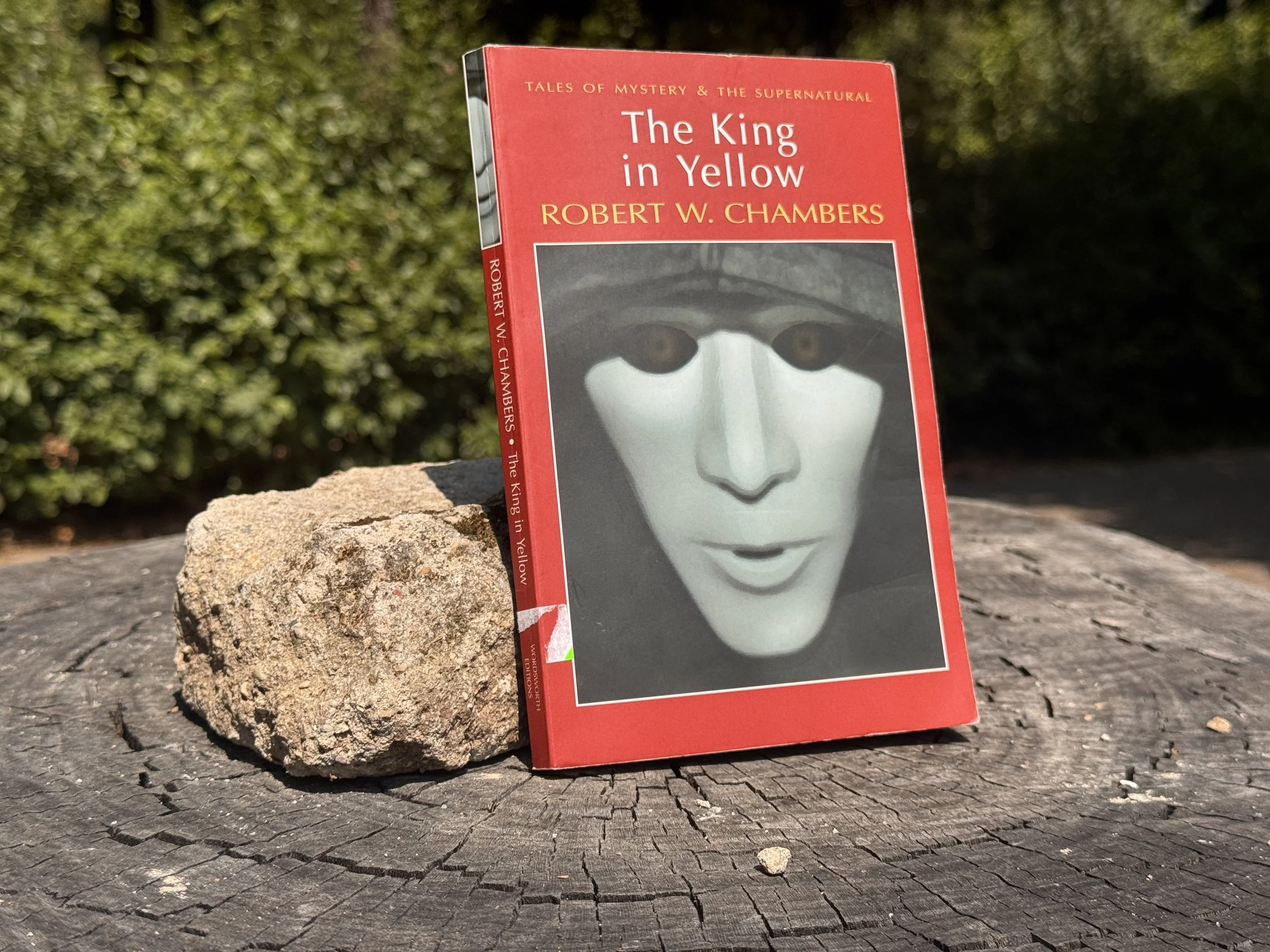
 Image 1 of 2
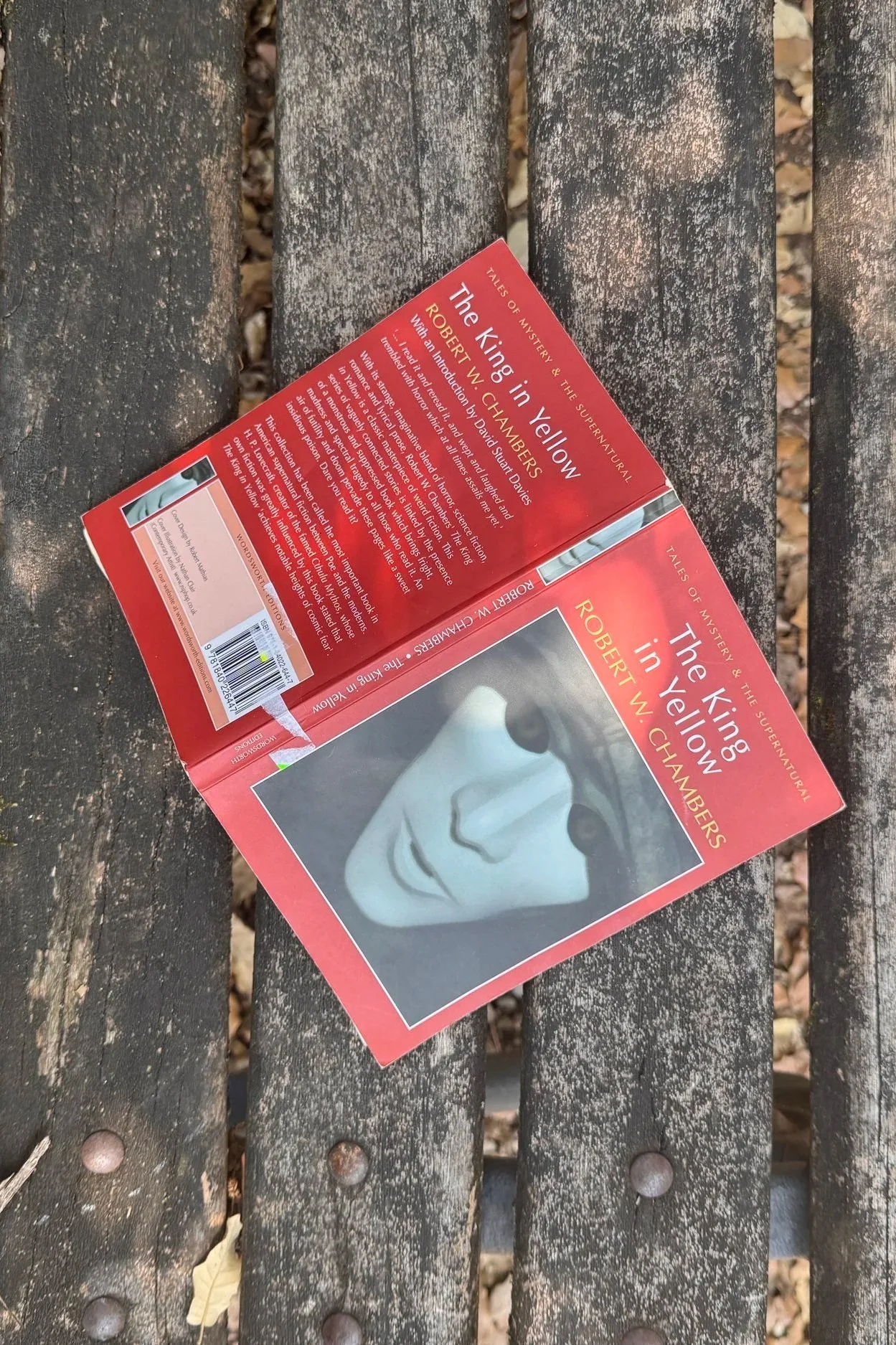
 Image 2 of 2
Why study The King in Yellow?
The King in Yellow introduced a device that would become central to twentieth century horror: the idea that a text itself, rather than a monster or a place, can be the source of terror. Chambers never reveals the full contents of the play within the stories and that withholding created a template later used by H.P. Lovecraft and countless others.
The book's influence stretches well beyond its era; the term Carcosa and the King in Yellow mythology resurfaced prominently in the television series True Detective. Studying the collection offers direct insight into the origins of cosmic horror as a literary mode.
Download the Unseen Summaries guide to The King in Yellow and trace the mythology that shaped a century of weird fiction.
Title: The King in Yellow
Author: Robert W. Chambers
Author biography: Robert W. Chambers was an American writer born in Brooklyn in 1865. Trained as an artist in Paris before turning to fiction, he published The King in Yellow in 1895 and went on to write dozens of novels across genres including romance and historical fiction. Though his later commercial work overshadowed it during his lifetime, The King in Yellow remains his most enduring contribution to literature and became a foundational text of American weird fiction.
Publication date: 1895
Genre: Weird fiction, horror, short story collection
Summary: A collection of interconnected stories built around a fictional play, also titled The King in Yellow, that drives its readers to madness upon completion. The first four stories reference the play directly, weaving a mythology of forbidden knowledge and cosmic dread that influenced generations of horror and weird fiction writers.