 Image 1 of 2
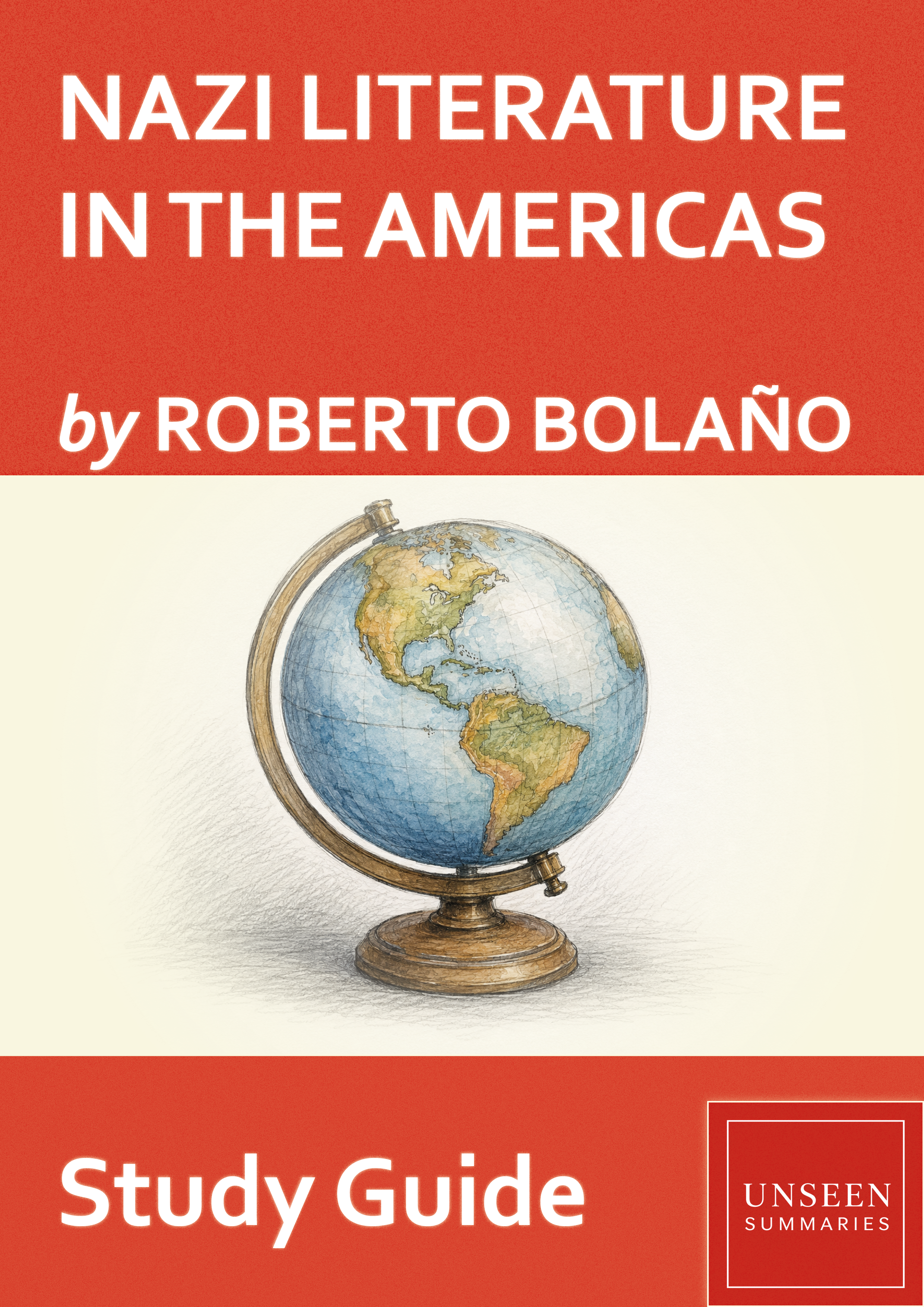 Image 2 of 2
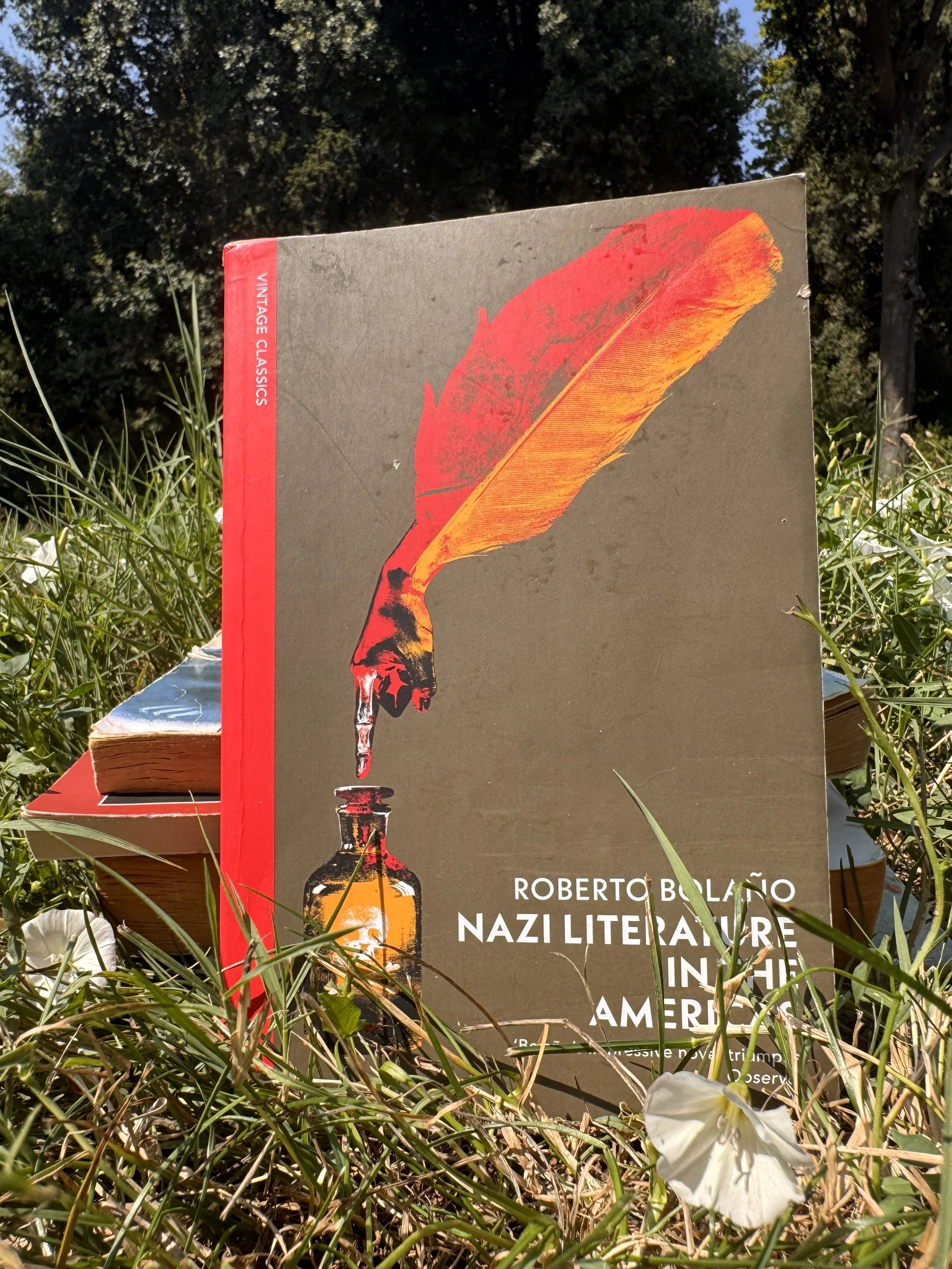
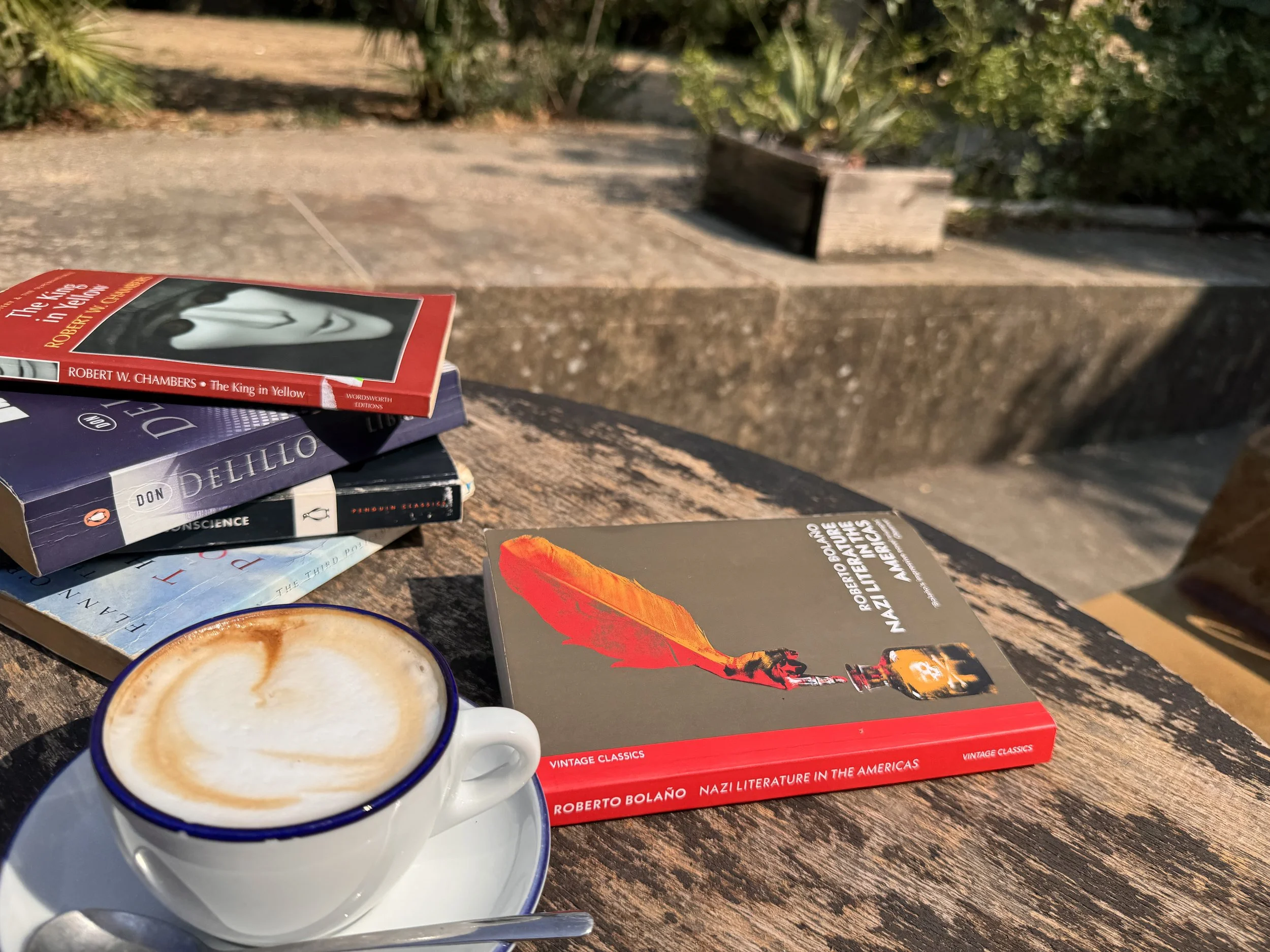
Why study Nazi Literature in the Americas?
Nazi Literature in the Americas takes the form of a reference book rather than a conventional narrative, presenting invented authors with the same dry authority as a real encyclopedia entry. The technique owes an acknowledged debt to Jorge Luis Borges, but Bolaño extends it into a sustained, unsettling examination of how literary culture can accommodate and even reward dangerous ideology.
Every writer in the book is fictional, yet each is placed convincingly within real literary movements and historical periods. The result is a study of invention, complicity, and the uses of fiction that continues to inform debates about literature's relationship to politics.
Download the Unseen Summaries guide to Nazi Literature in the Americas and unpack its fabricated literary world one entry at a time.
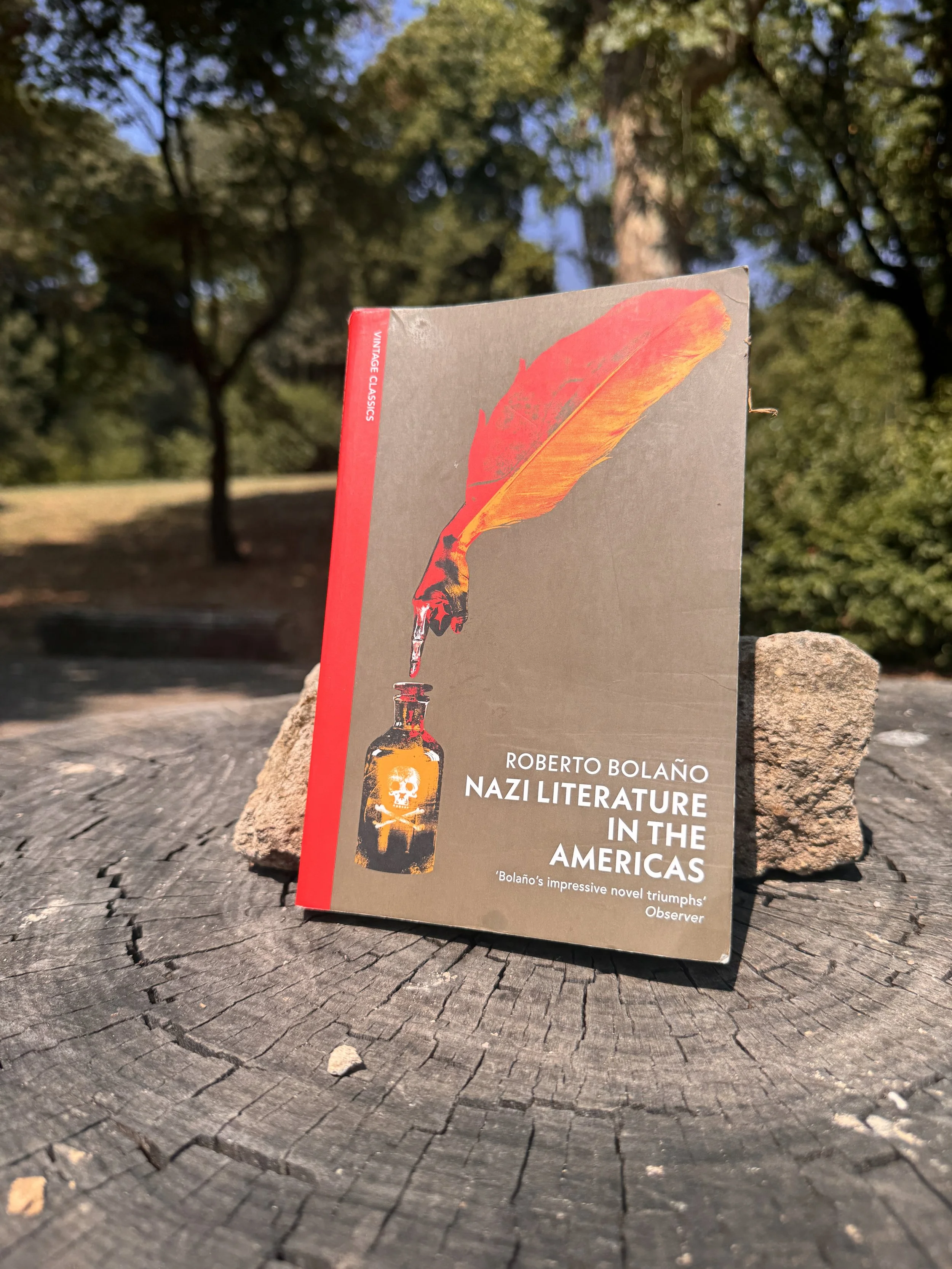
Title: Nazi Literature in the Americas
Author: Roberto Bolaño
Author biography: Roberto Bolaño was a Chilean novelist and poet born in Santiago in 1953. He spent much of his life in Mexico and Spain, working outside the literary mainstream before achieving major recognition later in his career. Nazi Literature in the Americas was his breakthrough with critics in Spain. He went on to write The Savage Detectives and the posthumously published 2666, both of which cemented his reputation as one of the most significant Latin American writers of his generation. Bolaño died in 2003.
Publication date: 1996 in Spanish; 2008 in English translation
Genre: Fiction, satire, biographical fiction
Summary: Structured as a biographical encyclopedia, the novel presents dozens of invented writers across the Americas who hold fascist or extreme right wing sympathies. Their fabricated careers, publications, and rivalries form a dark, inventive satire of literary ambition, ideology, and the mechanisms by which reputations are built and forgotten.